Woven Patch vs Embroidered Patch – Choosing The Best Patch
Patches are a versatile and stylish way to add a unique touch to clothing, accessories, and uniforms. For businesses and individuals looking to customize their apparel, understanding the difference between a woven patch and an embroidered patch is essential to choosing the best fit. At Genius Digitizing, we offer expert embroidery digitizing solutions for woven and embroidered patches, serving as a trusted partner for businesses across the USA. In this guide, we’ll break down the key differences, benefits, and drawbacks of each patch style to help you make an informed decision.
Embroidered Patch vs Woven Patch: Key Differences Explained
When it comes to embroidered patch vs woven patch, both options are popular, yet each offers distinct qualities suited to different styles and purposes. From durability to cost and design flexibility, the differences between woven and embroidered patches are significant.
What is an Embroidered Patch?
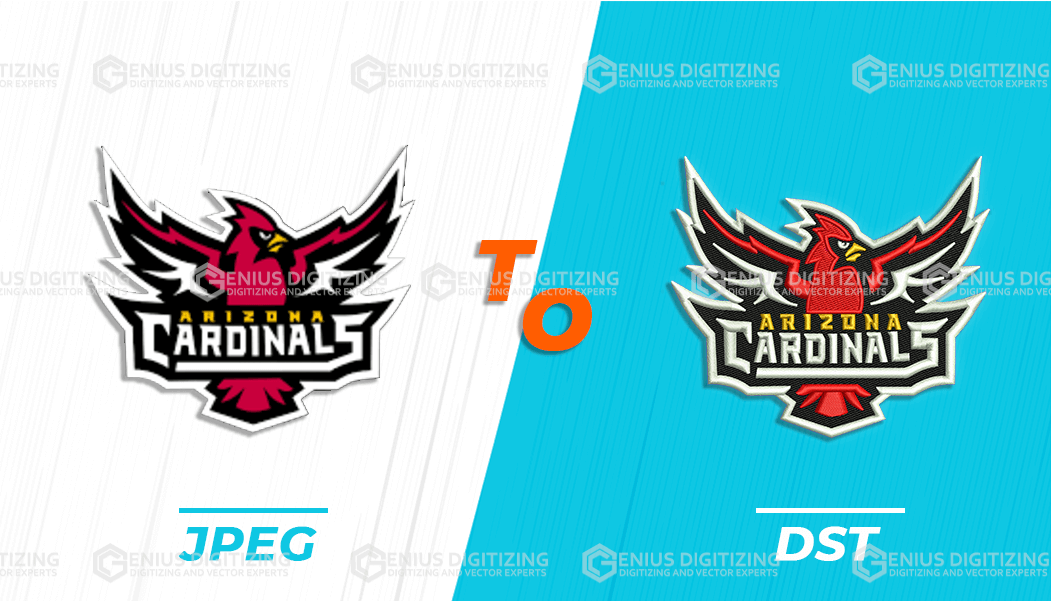
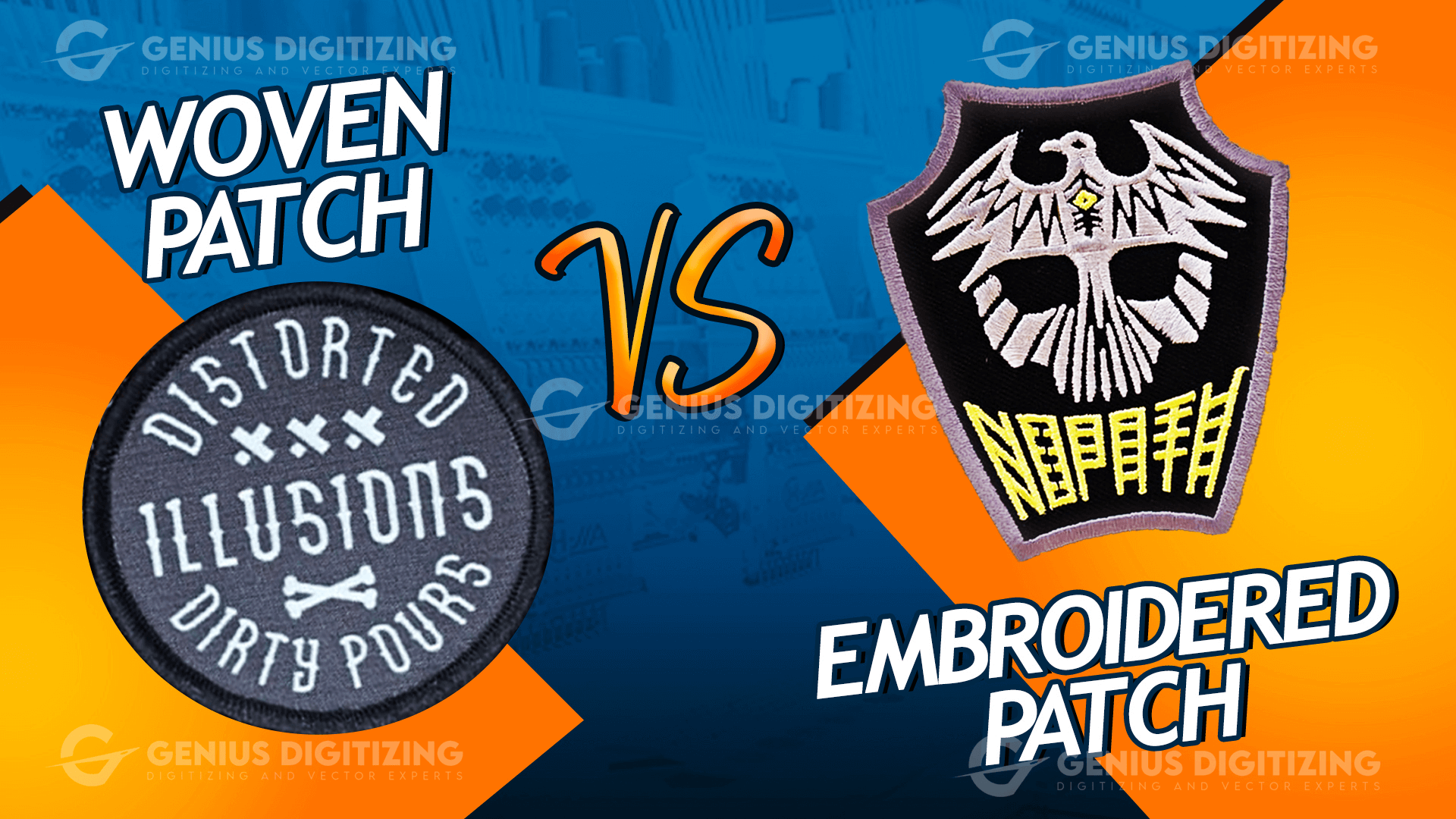
An embroidered patch is made by stitching a design onto a fabric backing using threads, which gives the patch a textured, three-dimensional effect. Traditionally, embroidered patches are highly durable and add a classic, high-quality look to apparel and accessories.
What is a Woven Patch?
A woven patch, on the other hand, is made by weaving thin threads directly into a tight fabric backing. The result is a patch with a smooth surface and finer details, perfect for intricate designs. Woven patches are flatter and thinner than embroidered ones, making them an ideal choice for more delicate or detailed artwork.
Embroidered Patch vs Woven Patch: Which Should You Choose?
1. Visual Appeal and Texture
- Embroidered Patches: Embroidered patches have a raised, three-dimensional effect that makes the design pop. This texture gives them a bold and traditional look, especially popular in uniforms, jackets, and hats.
- Woven Patches: With a smooth, flat surface, woven patches excel in capturing intricate details, making them perfect for logos or designs with fine lines or small text. They are generally thinner and lack the dimensional effect of embroidered patches.
2. Design Complexity
- Embroidered Patches: Best for bold, simple designs with limited detailing. The thick threads used in embroidery can make small text or intricate details less visible.
- Woven Patches: Ideal for more complex designs with detailed lines, gradients, or smaller text. The tighter weave and thinner thread used in woven patches allow for high-resolution details that would be challenging to achieve with embroidery.
3. Durability and Longevity
Both embroidered and woven patches are durable, but they each offer unique benefits depending on the use case:
- Embroidered Patches: Known for their durability, these patches are built to last through regular wear and wash cycles, maintaining their raised texture and color vibrancy.
- Woven Patches: While woven patches are also durable, their smooth surface is more prone to wear, making them ideal for lighter use or indoor applications.
Customization Options for Woven and Embroidered Patches
The customization options available for embroidery digitizing are vast, offering flexibility in materials, colors, and backings to meet the needs of diverse applications.
Material Options
For both patch types, you can choose from various materials, such as:
- Twill: A popular choice for durability and support.
- Polyester Blend: Offers vibrant colors and is resistant to fading.
- Camouflage and Reflective: Perfect for specialty patches used in outdoor or safety gear.
Thread Choices
Thread options are crucial in achieving the desired look and feel of your patch:
- Embroidery Patches: Use thick threads, available in vibrant colors, including metallic and neon options.
- Woven Patches: Use thin threads to achieve finer details, ideal for multicolored and highly detailed designs.
Backing Types
The right backing choice is essential to ensure the patch attaches securely to its intended surface. Available options include:
- Iron-On: Quick and easy attachment with an iron.
- Velcro: Reusable, perfect for uniforms or versatile applications.
- Adhesive: Ideal for temporary placements.
- Sew-On: Provides the strongest attachment, recommended for heavy-use items like uniforms.
Pros and Cons: Embroidered Patch vs Woven Patch
Choosing the best patch for your project involves considering the pros and cons of each patch type. Here’s a quick breakdown:
Advantages of Embroidered Patches
- Classic Aesthetic: Embroidered patches offer a classic, traditional look that has stood the test of time.
- Three-Dimensional Texture: The raised threads add a 3D effect, enhancing visual appeal.
- Durability: The thick fabric and stitches withstand regular washing and wearing.
Disadvantages of Embroidered Patches
- Limited Detailing: Small text or intricate designs may not be as clear.
- Higher Cost: Generally more expensive than woven patches due to the additional thread and labor.
- Bulky Appearance: The raised thread creates a slightly bulky look, which may not suit all applications.
Advantages of Woven Patches
- High-Resolution Detailing: Thin threads allow for finer details and smaller text.
- Lightweight and Thin: Woven patches are less bulky, making them ideal for lightweight fabrics and apparel.
- Fast Production Time: Easier and faster to produce, which is beneficial for bulk orders or tight timelines.
Disadvantages of Woven Patches
- Lacks Texture: The flat, smooth surface doesn’t offer the same dimensional quality as embroidery.
- Less Durability: While woven patches are durable, they may not be as long-lasting under heavy wear as embroidered patches.
Choosing the Right Patch: Factors to Consider
- Purpose and Aesthetic: For bold, classic looks or uniformed apparel, embroidered patches may be your best option. Woven patches work better for fine details, text-heavy designs, or logos that require high precision.
- Budget: Embroidered patches typically cost more due to labor and materials. Woven patches offer a more affordable solution without sacrificing quality.
- Time Constraints: If you’re on a tight schedule, woven patches offer a faster production time.
Why Choose Genius Digitizing for Your Embroidery Digitizing Needs?
At Genius Digitizing, we specialize in embroidery digitizing for both woven and embroidered patches, tailored to meet the unique demands of your project. We work closely with each client to deliver patches that align with their brand identity, vision, and technical requirements.
Our team of experts leverages the latest embroidery digitizing technology to ensure that your patches are crafted with precision and quality, regardless of the chosen patch type. Whether you’re aiming for high-detail woven patches or traditional embroidered patches with a textured, classic feel, our services guarantee standout results.
Final Thoughts: Embroidered Patch vs Woven Patch – Which is Best?
Ultimately, the choice between embroidered patch vs woven patch depends on your project’s specific needs and goals. Each patch type has its strengths, whether you’re aiming for intricate detailing or a timeless, dimensional look. With our embroidery digitizing expertise, Genius Digitizing can help bring your designs to life in the best possible format, ensuring your patches make a lasting impression.
For businesses looking to customize apparel or accessories, partnering with an experienced embroidery digitizing agency can make all the difference. Connect with Genius Digitizing today to discuss your project needs and discover how our expert services can elevate your branding.